Industrial Rubber Solutions.

Natural and synthetic rubber, concentrated latex, calendered sheeting, ASTM-graded compounding inputs, finished industrial gloves, and custom-moulded components. The full rubber supply chain under one supplier.

TRA · ISO 2000 · ISO 2004 · ASTM · CE · FDA · ISO 13485

Overview

Above Infinity covers the rubber supply chain end to end, from estate co-operative through compounding line to drawing-to-part.

Seven product families: natural rubber, concentrated latex, synthetic feedstock, compounding inputs, calendered sheeting, industrial gloves, and custom-moulded components. Each line is qualified at origin and ships on EXW through DDP incoterms.

Natural Rubber
01 Product line

Natural Rubber.

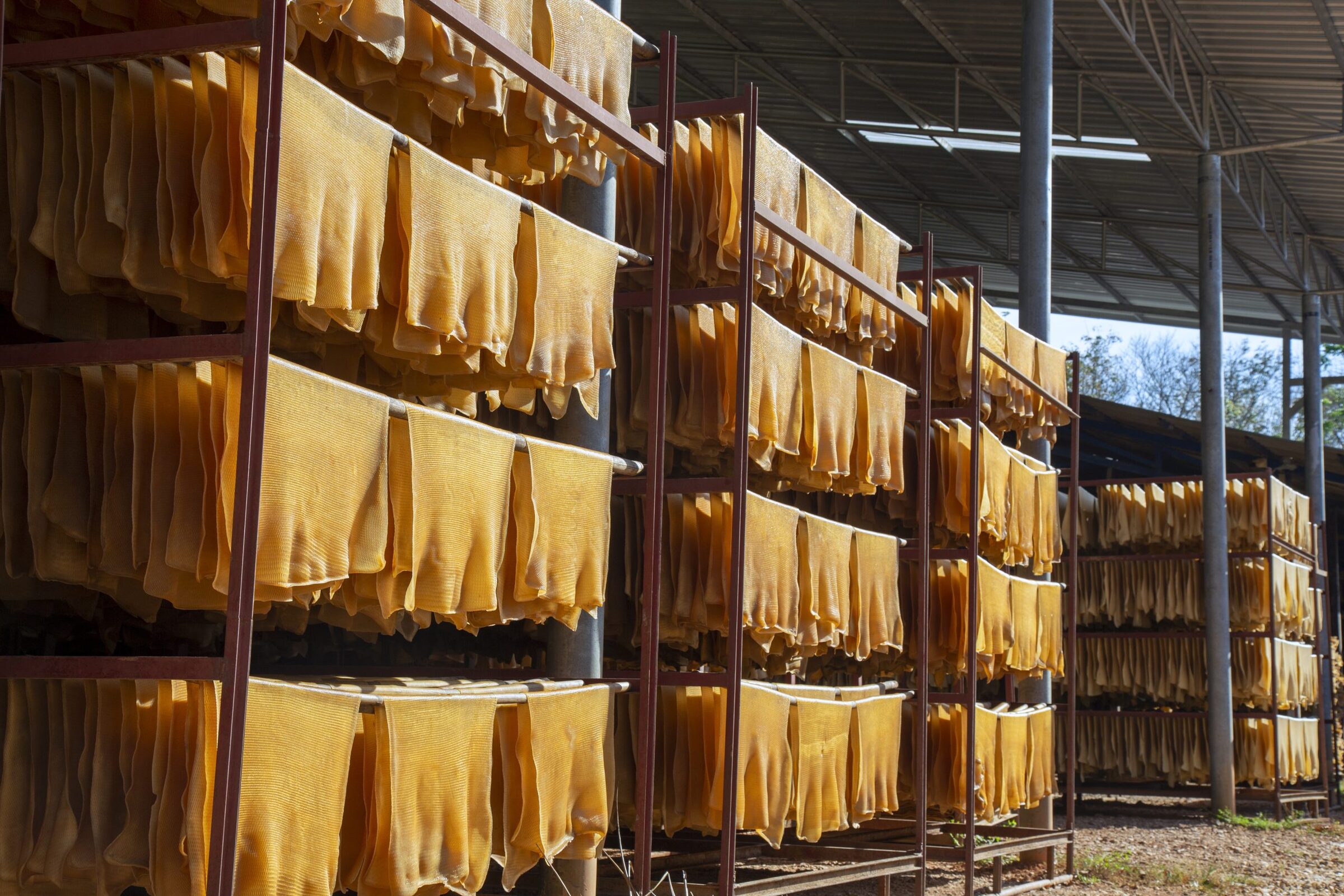
Two grading systems, one supply line. RSS (visually graded against the TRA Green Book, sheet form) and TSR (laboratory-graded to ISO 2000, block form across four producing countries). FCL containers, mixed-grade and mixed-origin loads on request.

RSS1

RSS 1, Premium

Cleanest grade. No virgin bark, no stain, no spots, no over-smoking. Specified for top-tier compounding and white sidewalls.

RSS2

RSS 2

Slight bubbles, faint specks permitted. The workhorse grade for general-purpose compounds.

RSS3

RSS 3

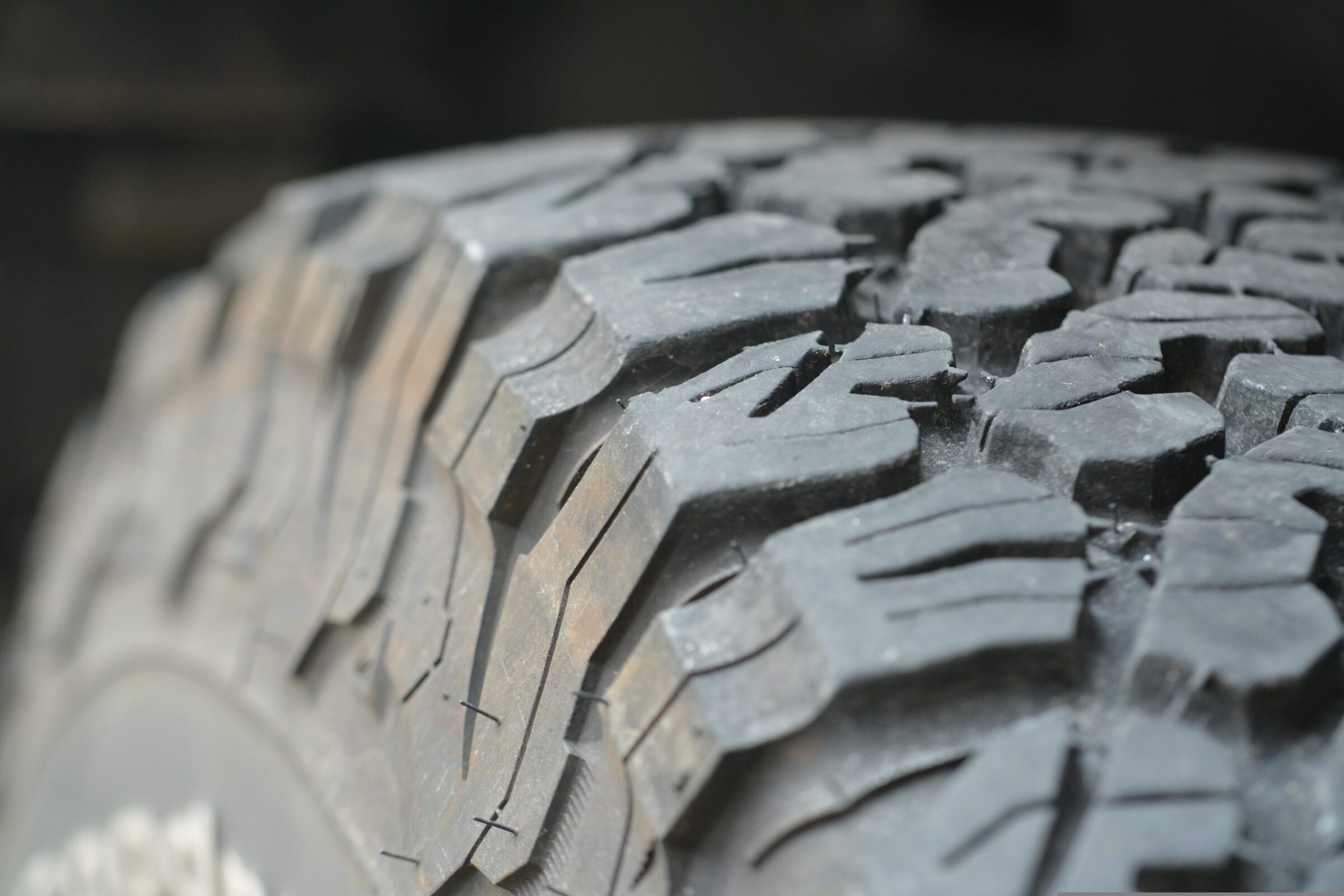
Small bubbles, slight stain or mould allowed. Widely used in tyre carcass mixes and conveyor belts.

RSS4

RSS 4

Bubbles up to 4mm permitted. Suitable for low-spec mechanical rubber goods and re-treads.

RSS5

RSS 5, Economical

Heavily-coloured or partially virgin-bark sheets. For lower-grade extrusion, mats, and dampers.

SMR

SMR (Malaysia)

Standard Malaysian Rubber. SMR L, CV, 5, 10, 20, 50. Direct from Malaysian Rubber Board registered factories. Our flagship supply line.

SIR

SIR (Indonesia)

Standard Indonesian Rubber. SIR 3CV, 3L, 5, 10, 20. Sumatran origin with declared dirt and ash limits.

STR

STR (Thailand)

Standard Thai Rubber. STR XL, 5L, 10, 20, 20CV. Consistent supply from north-south Thai concession blocks.

SVR

SVR (Vietnam)

Standard Vietnamese Rubber. SVR 3L, 5, 10, 20, CV60. Rising-quality alternative for cost-sensitive programmes.

Concentrated Latex
02 Product line

Concentrated Latex.

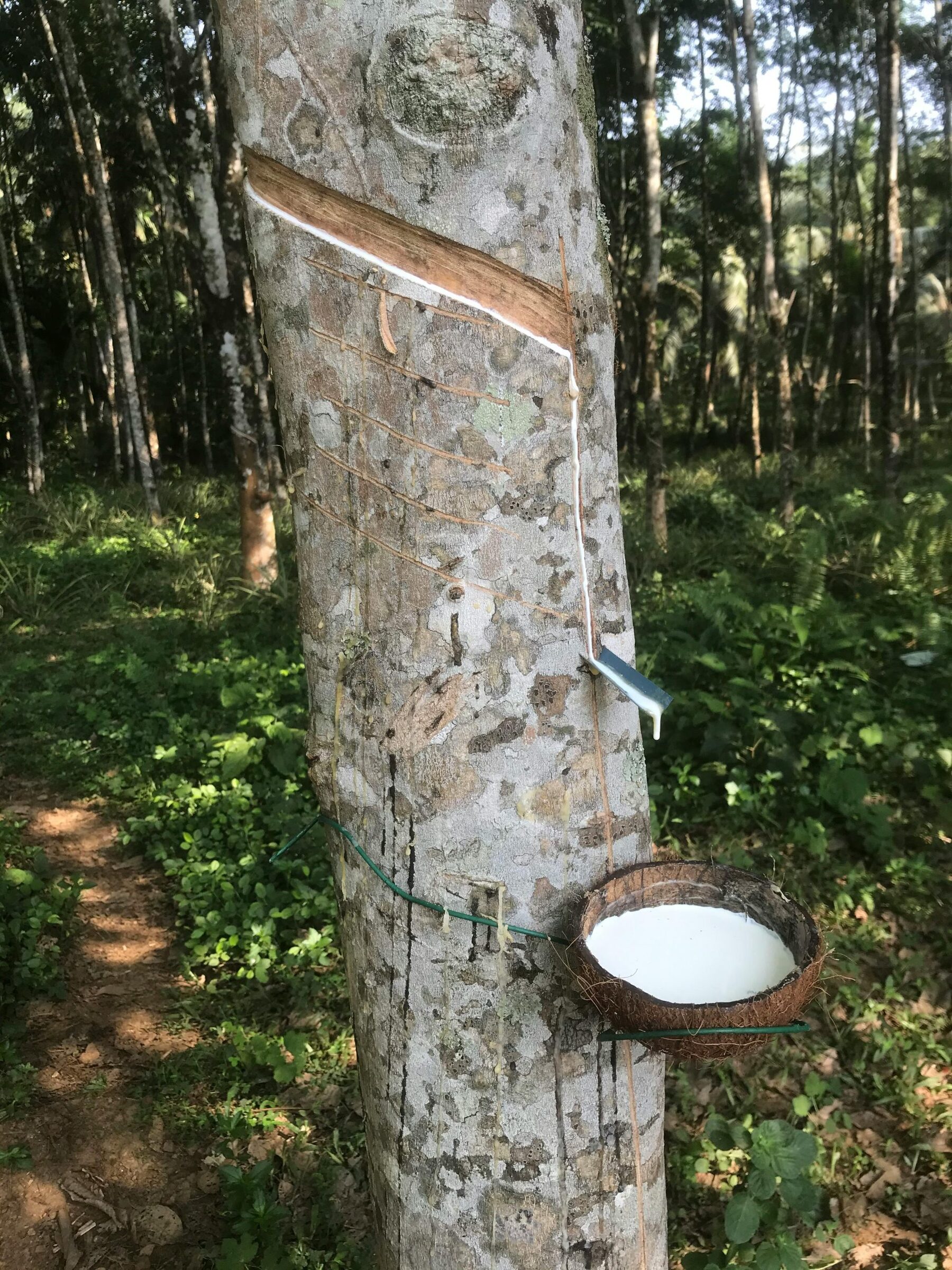
Five preservation chemistries to match your line. ISO 2004 compliant lots with DRC, TSC, KOH number, MST, and ammonia declared on every COA. Bulk ISO tank, IBC tote, and 200-litre drum packing.

HA

High Ammonia Latex

Ammonia ≥ 0.60%. Standard preservation for long shelf life. The default for most exporters.

MA

Medium Ammonia Latex

Ammonia 0.30–0.60% with TT/ZnO. Balanced odour and stability for indoor dipping operations.

LA

Low Ammonia Latex

Ammonia ≤ 0.29% with secondary preservatives. For workplaces with stringent ammonia limits.

DC

Double Centrifuged

Twice-centrifuged for very low non-rubber solids. Premium grade for high-clarity dipping and medical use.

DRC

High DRC Latex

Higher Dry Rubber Content (≥66%). Improves yield in continuous dipping lines.

Synthetic Rubber
03 Product line

Synthetic Rubber.

SBR, NBR, EPDM, and CR, the workhorse feedstocks for compounding, sealing, and tyres. CR includes G, W, T, and AC series from European and Japanese producers. Specialty grades (HNBR, FKM, silicone, polybutadiene) on request.

SBR

Styrene-Butadiene Rubber

1502, 1712, 1723. The workhorse of passenger-car tyre treads and conveyor belts.

NBR

Nitrile Rubber

Low, medium, and high ACN content. Oil and fuel resistant, for seals, hoses, gaskets, fuel-handling.

EPDM

Ethylene Propylene Diene

Ozone, weather, and steam resistant. Roofing, automotive weatherstrips, hot-water seals.

CR

Chloroprene (Neoprene)

Flame, oil and weather resistant. G (sulfur-modified), W (mercaptan-modified), T (pre-crosslinked), and AC (adhesive) series.

Compounding Inputs
04 Product line

Compounding Inputs.

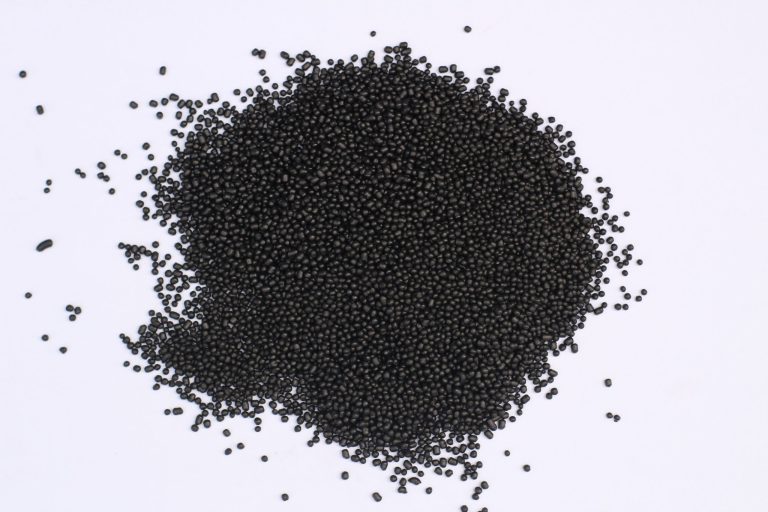
ASTM-graded furnace carbon black for modulus, abrasion, and tear strength; vulcanisation accelerators and antioxidants for cure speed and service life. Shelf-life-dated COAs, heavy-trace metals (Cu, Mn, Pb) declared per ASTM D1765. 25kg bags, 1MT FIBC, or bulk silo on carbon black; pallet MOQs on actives.

N220

N220 (ISAF)

Intermediate Super-Abrasion Furnace. Tyre tread compounds where abrasion resistance is critical.

N330

N330 (HAF)

High-Abrasion Furnace. The most widely used grade, tyre carcass, sidewall, and general MRG.

N339

N339

Higher structure than N330. Improved tear strength for industrial belts and hoses.

N550

N550 (FEF)

Fast-Extruding Furnace. Hoses, weather strips, extruded profiles, sponge.

N660

N660 (GPF)

General-Purpose Furnace. Inner tubes, bushings, footwear, and white sidewalls.

N990

N990 (MT)

Medium-Thermal. Heat-resistant compounds, gaskets, O-rings, high-loading mixes.

TMTD

TMTD accelerator

Tetramethylthiuram disulfide. Ultra-accelerator for low-temperature cures; also functions as a vulcanising agent in efficient (EV) cure systems.

TMQ

TMQ antioxidant

Broad-spectrum antioxidant against heat, oxygen, and flex fatigue. The default in tyre carcass mixes.

IPPD

IPPD (4010NA)

Antiozonant and antioxidant. Active against dynamic and static ozone cracking in sidewall and hose compounds.

Rubber Sheeting
05 Product line

Rubber Sheeting.

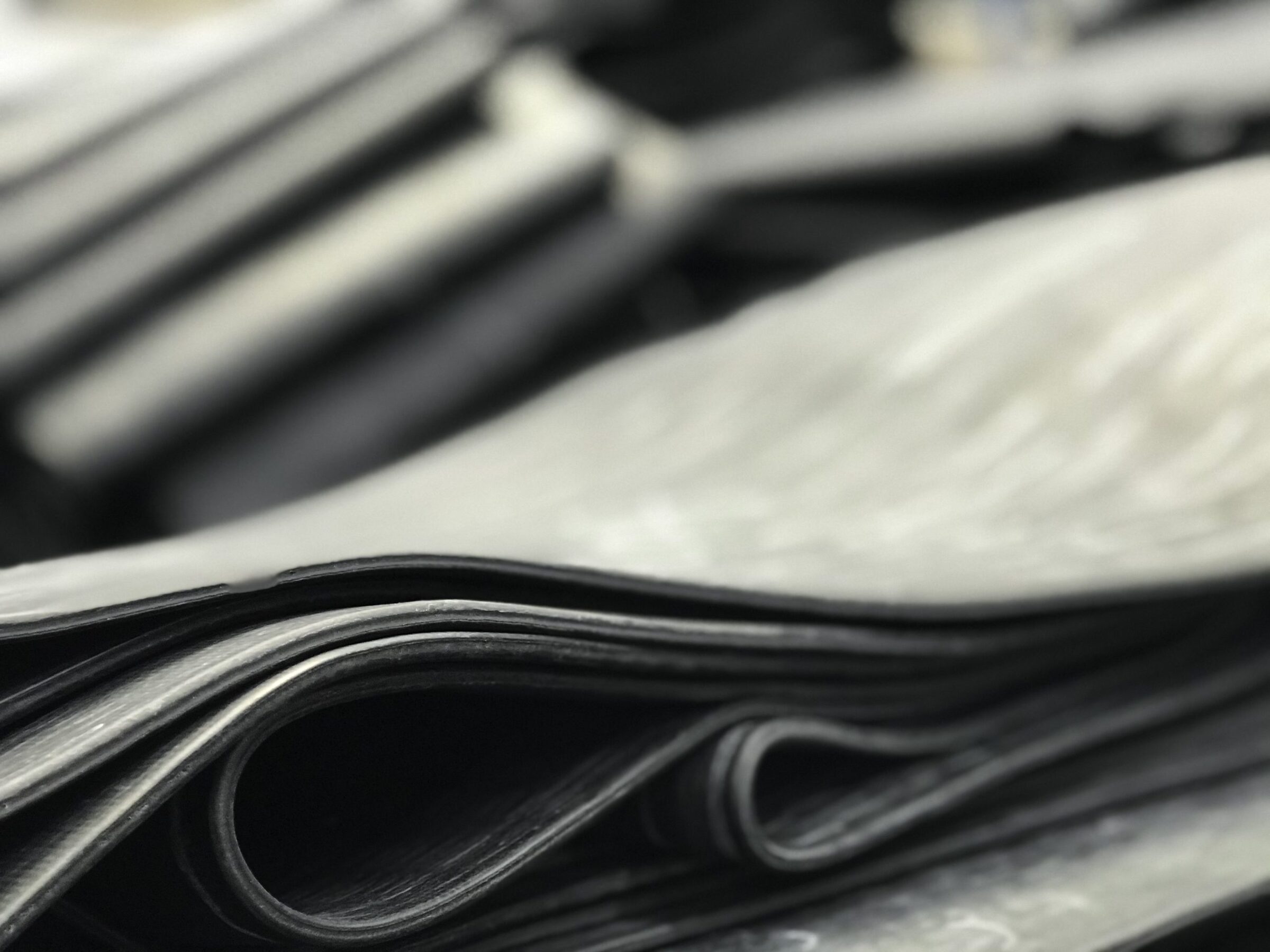
Calendered sheeting in five compound chemistries, 1.5mm to 25mm thick, widths to 1.4m, Shore 40–80A. Smooth or fabric-finish, plain or one/two-ply nylon insertion. Cut-to-size service for gaskets, pads, and seals.

SBR

SBR Sheeting

General purpose, abrasion-resistant. For gaskets, pads, and machinery skirting.

NBR

NBR Sheeting

Oil and fuel resistant. For fuel-handling, hydraulic seals, and engine-bay gaskets.

EPDM

EPDM Sheeting

Ozone, weather, and hot-water resistant. For roofing membranes and HVAC gaskets.

CR

Chloroprene Sheeting

Oil + weather resistance combined. For marine and industrial seals.

NR

Natural Rubber Sheeting

High elasticity and tear strength. For tank linings, pulley laggings, and dynamic seals.

Industrial Gloves
06 Product line

Industrial Gloves.

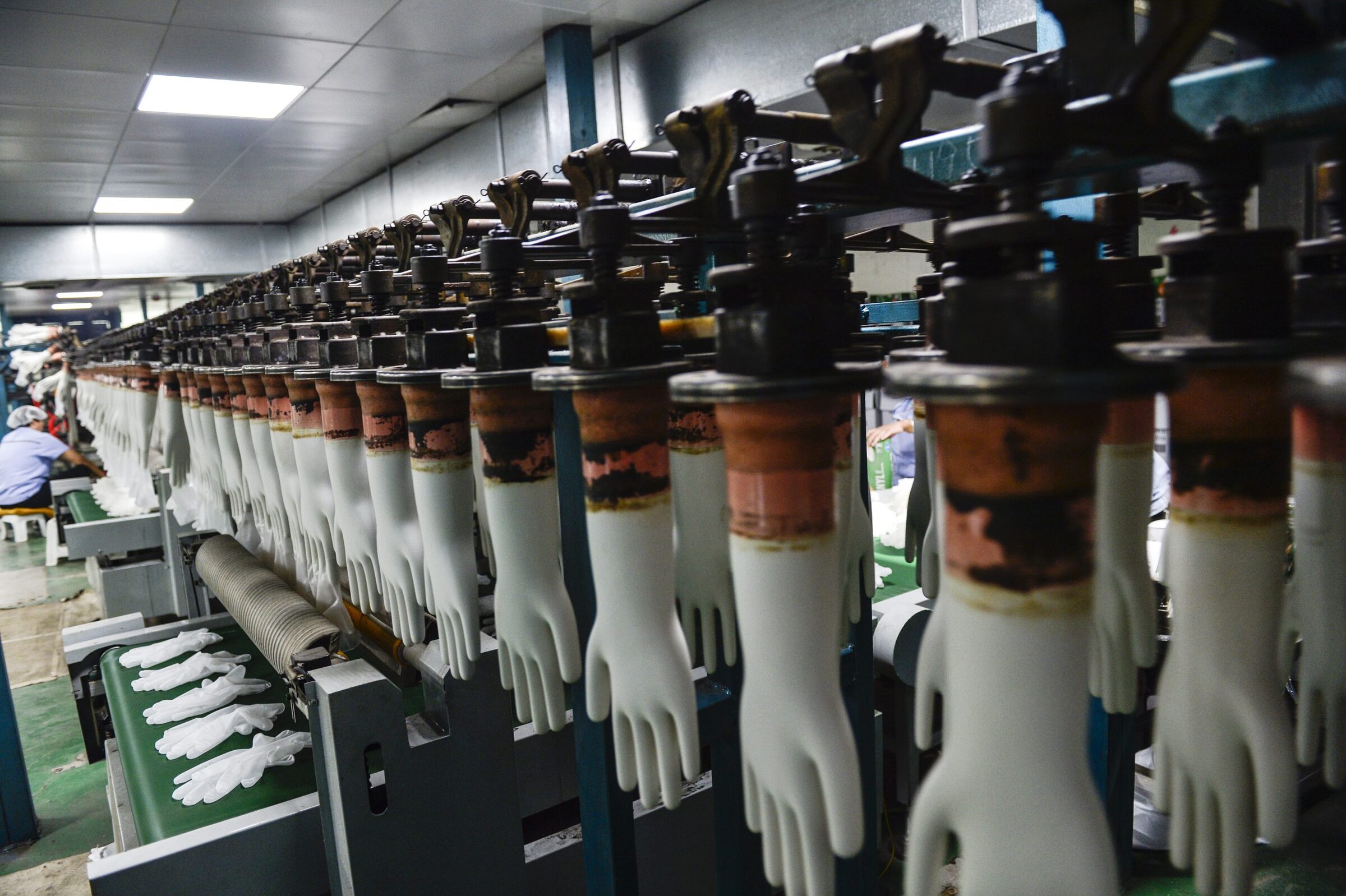
Nitrile, latex, and vinyl gloves dipped on Malaysian and Indonesian lines. AQL 1.5/2.5/4.0. CE-marked, FDA-cleared, ISO 13485 traceable. Private label from 100,000 pieces per size.

NI

Nitrile gloves

Latex-free, chemical resistant, puncture resistant. The dominant medical and industrial grade.

LX

Latex gloves

Natural rubber. Excellent tactile feedback and elasticity for surgical and food-handling use.

VY

Vinyl gloves

PVC-based, economical. For light food handling, cleaning, and non-critical exam use.

Custom Manufacturing
07 Product line

Custom Manufacturing.

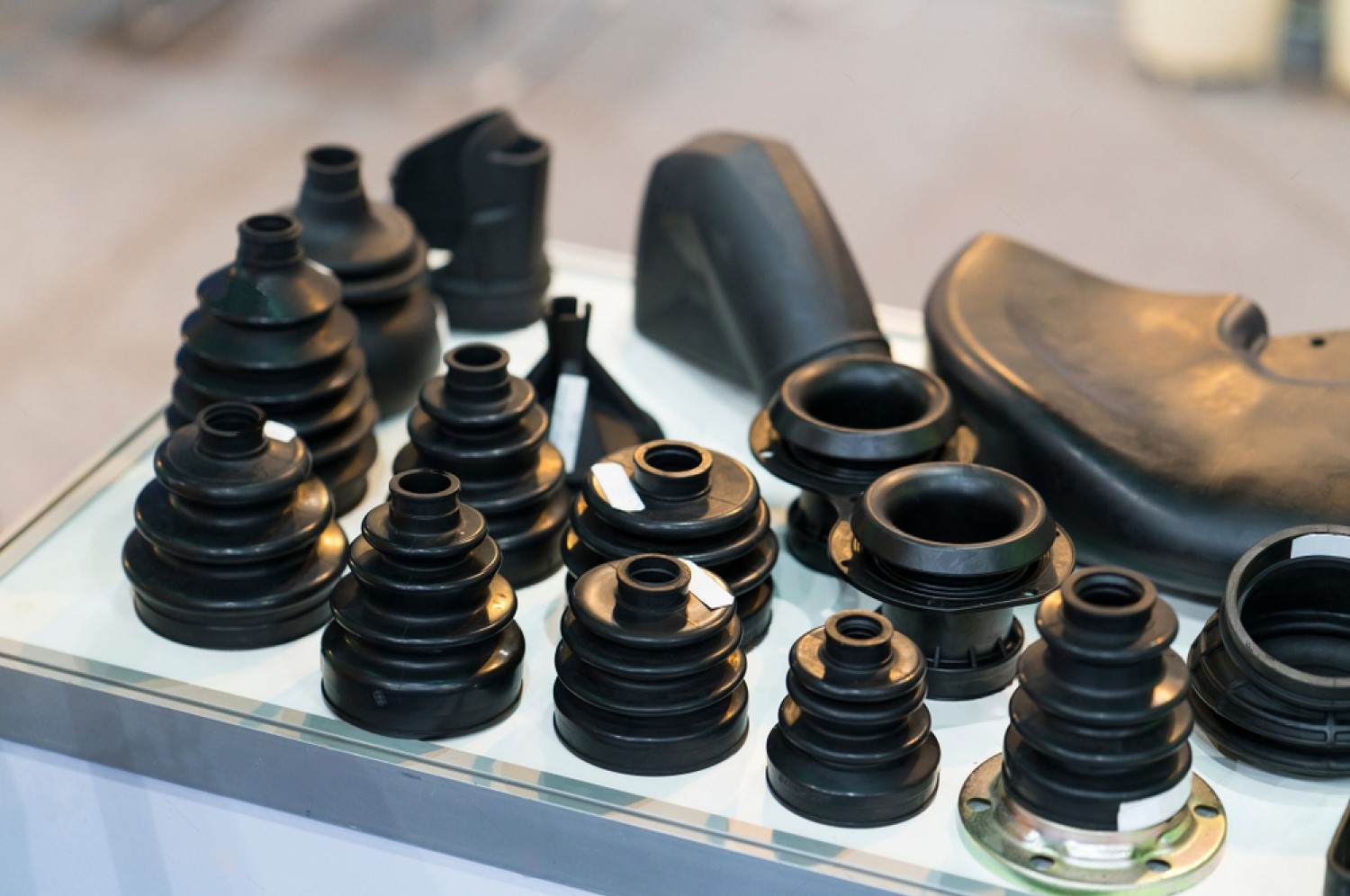
Drawing-to-part rubber components across NBR, EPDM, FKM, and silicone. Compression, injection, and transfer moulding from 1,000 to 1,000,000 parts. Send a drawing, sample, or use case, our partner engineering teams recommend compound, geometry, and tooling before quoting.

GK

Gaskets

Static seal components for flanges, covers, and housings. Cut, moulded, or extruded across NBR, EPDM, FKM, and silicone.

SL

Seals

O-rings, lip seals, X-rings, U-cups. Standard imperial and metric sizes plus custom drawings.

PG

Plugs

Tapered, flanged, and pull-tab plugs for masking, plugging, and assembly fixturing.

BS

Bushings

Bonded and unbonded vibration-isolation bushings. Rubber-to-metal bonding on customer hardware.

VD

Vibration Dampers

Engine mounts, machine feet, and dynamic dampers. Hardness, stiffness, and natural frequency engineered to spec.

One-page spec sheet

Rubber Solutions
spec sheet.

A printable summary, grades, partnership context, lead times, FAQ. Drop your email and we'll open the sheet for you to save as PDF.

No spam. We may follow up once to ask if you want a quote.

Frequently asked

Common
questions.

Which synthetic-rubber grades do you stock?

SBR 1502/1712/1723, NBR with low/medium/high ACN content, EPDM with various ENB grades, and CR (G, W, T, AC series). All containerised and COA-verified at origin.

Can you supply specialty rubber grades like HNBR or FKM?

Yes, through our European and Japanese producer relationships. Lead time is typically six to ten weeks for specialty compounds.

Which packaging options do you offer for latex?

Bulk ISO tank container, IBC totes (1000 L), or 200-litre drums. Cold-chain handling and preservation chemistry are agreed up front with the buyer.

What is declared on a typical latex COA?

Per ISO 2004: DRC (≥ 60.5%), TSC, KOH number, MST, ammonia content, plus pH and sediment level.

Can you supply low-ammonia (LA) latex?

Yes, LA grades with secondary preservatives (TT/ZnO + zinc oxide blends) are available for workplaces with stringent ammonia exposure limits.

What AQL levels do you offer on gloves?

AQL 1.5 (medical / critical), 2.5 (industrial), and 4.0 (food-handling / general purpose), matched to the appropriate regulatory pathway per market.

Can you produce private-label gloves?

Yes, minimum order for private label is 100,000 pieces per size per colour. Custom packaging, branding, and box artwork supported.

Which certifications accompany each glove shipment?

CE-mark, FDA clearance where applicable, and ISO 13485 traceability for medical-grade lines. Country-specific approvals on request.

What is the typical lead time on custom-moulded components?

Tooling: four to eight weeks. First-article inspection: one to two weeks after tool sign-off. Production: dependent on volume and compound.

Can you bond rubber to metal for custom components?

Yes, for bushings and vibration dampers we bond to customer-supplied or in-house-supplied metal inserts. Standard adhesion systems plus specialty primers.

What volumes do you handle on custom manufacturing?

From 1,000-part pilot batches to 1,000,000+ production runs. Compression, injection, and transfer moulding across our partner network.

What is the typical minimum order across rubber, latex, and gloves?

One FCL container for natural rubber, synthetic rubber, and concentrated latex (typically 17–20 tonnes). Sheeting in roll quantities. Gloves available in case, pallet, and container quantities; private label from 100,000 pieces per size.

How is RSS graded versus TSR?

RSS is visually graded against the TRA Green Book (RSS1 cleanest through RSS5 most economical). TSR is laboratory-graded to ISO 2000 across dirt, ash, nitrogen, volatile matter, plasticity retention index (PRI), and Mooney viscosity, declared on a COA. SMR 20 is our highest-volume TSR line.

What thicknesses and widths are available in rubber sheeting?

1.5 mm to 25 mm thickness in standard widths to 1.4 m. Hardness 40–80 Shore A. One- or two-ply nylon insertion for high-pressure or high-abrasion applications. Cut-to-size service for gaskets, pads, and seals.

Which carbon black grades do you supply, and what is declared on the COA?

The full ASTM range N220, N330, N339, N550, N660, N990, with specialty grades (N762, N774) on inquiry. Each COA declares iodine number, OAN, tint per ASTM D1765, plus heavy-trace metals (Cu, Mn, Pb, Fe, total ash).

What is the shelf life on vulcanisation accelerators and antioxidants?

Typically 24 months from production date stamped on every COA, cool/dry storage recommended. TMTD, TMQ, IPPD/4010NA, plus 6PPD, CBS, MBT, MBTS available on request. Standard packaging is 25 kg multi-wall paper bags; 5 kg and 500 kg jumbo bags on request.

Chat on WhatsApp